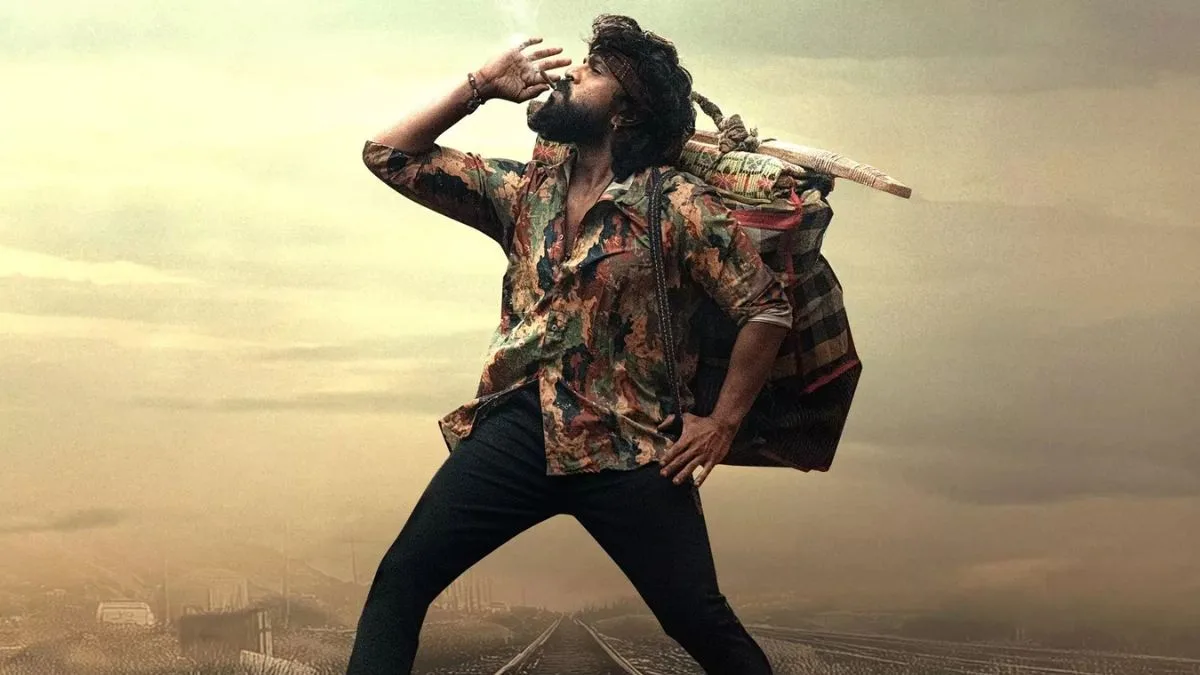
Never seen ‘Lagaan’ on the big screen? You now have three days to fix that
233 minutes. Eight National Awards. One Oscar nomination. India has not stopped talking about it since 2001. Now you can watch it the way it was meant to be seen.
‘Tere Naam’ is back in theatres, but its idea of love feels far more unsettling in 2026 than it did in 2003. As Salman Khan’s cult romance returns, audiences are forced to confront how obsession was once sold as devotion.




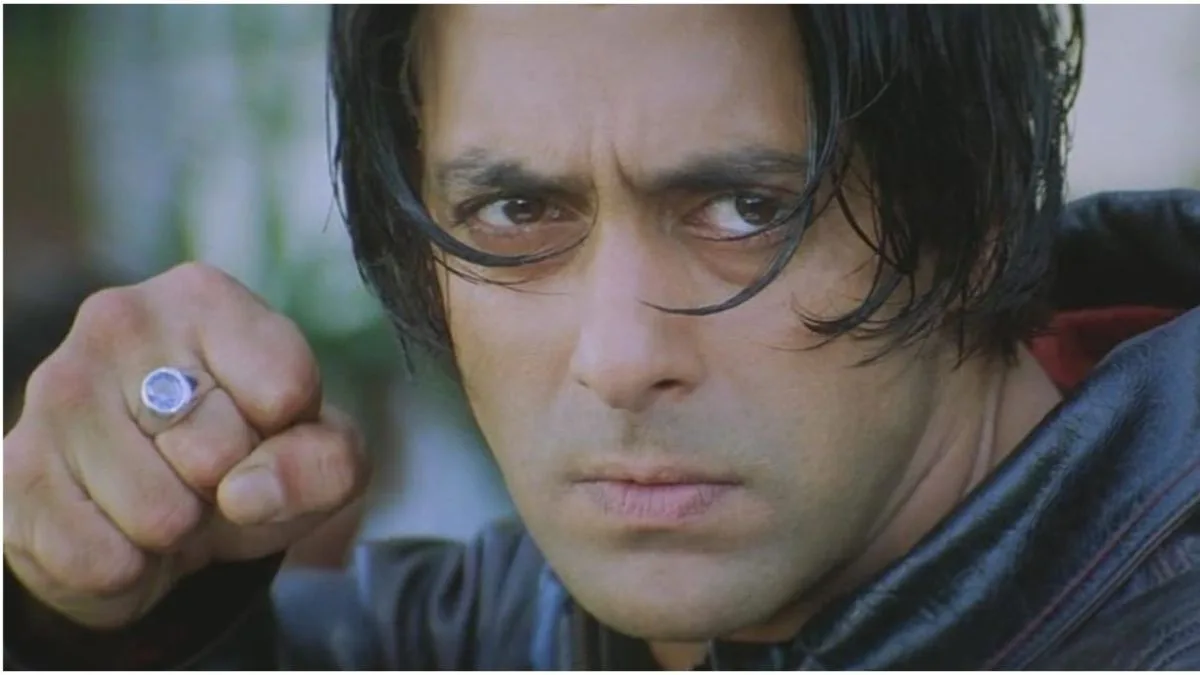
Image Source: Instagram
If you grew up in the early 2000s, chances are ‘Tere Naam’ lives rent-free in your head. The hair. The heartbreak. The songs you cried to at 2 am. And now, surprise! Salman Khan and Bhumika Chawla’s cult romantic drama is making a comeback on the big screen. Yes, ‘Tere Naam’ is being re-released in theatres on February 27, 2026, for a limited run. Nostalgia is officially back in business.
Cinema chains PVR and INOX have confirmed the re-release, and fans are already buzzing. For many, this film was peak Salman Khan romance. For others, especially women watching it today, it hits very differently.
Advertisement
Advertisement
View this post on Instagram
Released in 2003, ‘Tere Naam’ starred Salman Khan as Radhe Mohan and Bhumika Chawla as Nirjara. The film became famous for its intense emotions, tragic ending, and soundtrack that still plays at weddings, heartbreaks, and Instagram reels.
Back then, Radhe was seen as a misunderstood lover. Raw, emotional, and “pure at heart.” The audience cried for him, rooted for him, and forgave him everything.
Everything.
Here’s the uncomfortable truth we didn’t talk about enough in 2003. Radhe doesn’t just “woo” Nirjara. He stalks her. He threatens people around her. And, he refuses to take ‘no’ for an answer. Again and again.
And yet, the film frames this behaviour as passionate love.
Nirjara eventually falls for Radhe; not because he respects her boundaries, but because persistence is shown as romance. The crowds cheered. The hero won. The background music played.
But let’s be clear. This wasn’t romantic. It was obsessive and criminal.
Salman Khan’s charisma did a lot of heavy lifting. His performance made Radhe look wounded, emotional, even noble. Viewers felt pity for him. That pity quietly erased Nirjara’s fear, discomfort, and lack of choice.
This is the power (and danger) of cinema. When a superstar does something on screen, it gets normalised. Even glorified.
People often say, “It’s just a movie.” But Bollywood isn’t just movies in India. It shapes ideas, behaviour, and expectations, especially around love.
In real life, stalking does not end in soulful songs and poetic tragedy. It ends in trauma, fear, and sometimes violence. When women say no and men don’t listen, it is not romance. It is harassment.
Films like ‘Tere Naam’ taught generations that a woman’s refusal is just a phase and something to push through.
The re-release gives us a chance to revisit the film. Not blindly. Critically. You can still appreciate the music, performances, nostalgia. But you can also ask harder questions.
Who gets sympathy? Who loses agency? Why is a woman’s consent treated like a hurdle instead of a rule?
Watching ‘Tere Naam’ today isn’t about cancelling the past. It’s about finally seeing it clearly especially through a lens that puts women’s safety, choice, and dignity at the centre.
Nostalgia can return. Blind romance doesn’t have to.
Advertisement